GENERAL
Wollmatten: Redefining Natural Comfort and Design

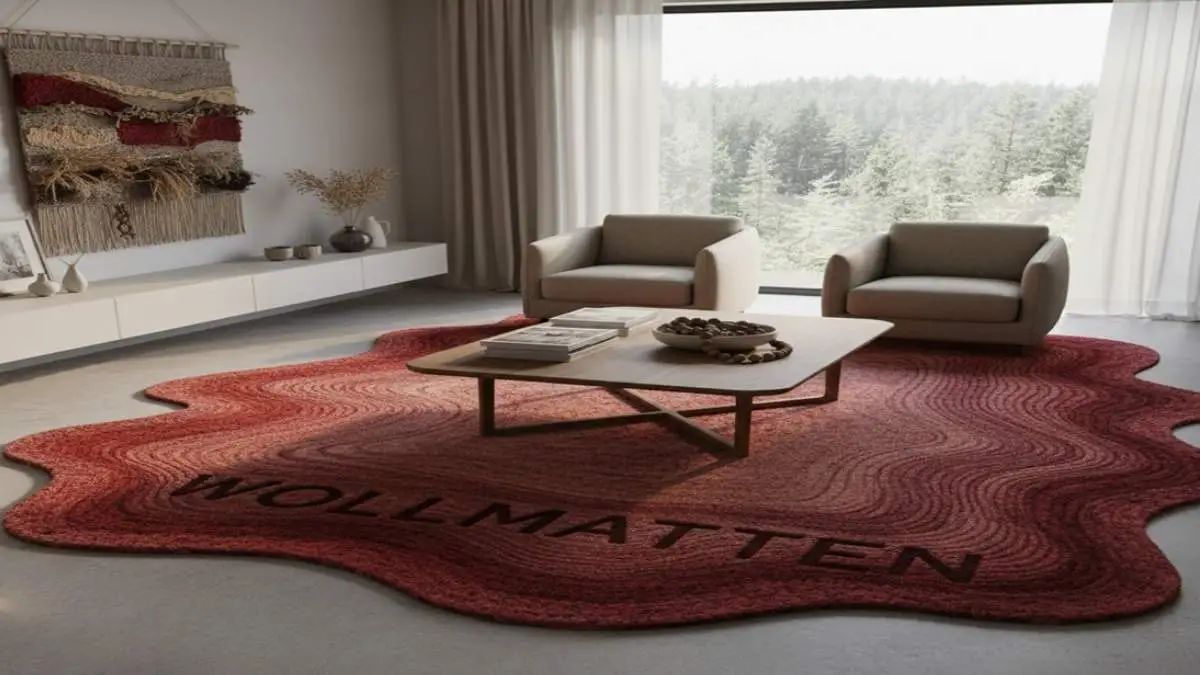
Wollmatten is a German term meaning “wool mats,” referring to mats or padding made from natural wool fibers. Known for their insulation, soundproofing, and moisture-regulating qualities, they are widely used in sustainable architecture and eco-friendly design. Beyond materials, Wollmatten can also denote place names in German-speaking regions, historically linked to sheep grazing and wool production. Thus, it represents both a practical, eco-conscious material and a cultural symbol of traditional craftsmanship and environmental harmony.
The Linguistic and Cultural Roots of Wollmatten
The term Wollmatten comes from two German words: “Wolle” (wool) and “Matten” (mats or meadows). Literally meaning “wool mats,” it reflects Germany’s deep connection to wool production, shepherding, and craftsmanship, where natural materials were central to daily life and rural economies.
Culturally, it also appears in place names like Wollmattenstraße, evoking images of green meadows once used for sheep grazing. This dual meaning links language, landscape, and livelihood, preserving Germany’s traditional bond with wool and its sustainable heritage.
The Historical Roots of Wool Production in German-speaking Regions
The historical roots of wool production in German-speaking regions trace back to medieval times, when sheep farming was central to rural economies. Areas like Saxony, Bavaria, and Swabia became renowned for high-quality wool and textile craftsmanship. Grazing meadows, or Matten, supported thriving local industries that supplied Europe with fine wool. This deep connection between landscape, livelihood, and craftsmanship laid the foundation for terms like Wollmatten, symbolizing heritage and sustainable resource use.
Wollmatten as a Material: Nature’s Intelligent Design
Beyond its linguistic richness, it denotes a functional material, mats or padding made from wool fibers. These natural products have gained renewed attention in recent decades as society shifts toward sustainable and eco-conscious living.
- Construction and Architecture: As natural insulation materials for walls, roofs, and floors.
- Soundproofing Solutions: Reducing noise transmission in residential and commercial spaces.
- Moisture Regulation: Maintaining indoor air quality by absorbing and releasing humidity naturally.
- Eco-friendly Design: Replacing synthetic insulators and plastics with biodegradable alternatives.
Let’s explore why wool, as a material, has remained relevant for centuries.
Wool vs. Synthetic Mats: Which Is Truly Eco-Friendly?
| Feature | Wool Mats (Wollmatten) | Synthetic Mats |
| Material Source | 100% natural, renewable wool from sheep | Derived from petroleum-based materials like nylon or polyester |
| Environmental Impact | Biodegradable, low carbon footprint, compostable | Non-biodegradable, contributes to microplastic pollution |
| Insulation & Comfort | Excellent natural insulation; regulates temperature | Good insulation, but it can trap heat and moisture |
| Soundproofing | Naturally absorbs sound due to fiber structure | Requires chemical additives for acoustic performance |
Cultural Continuity and Modern Awareness
The story of Wollmatten bridges the gap between cultural heritage and innovation. It celebrates the ingenuity of past generations who recognized the value of wool, not only as a textile but as a living material intertwined with daily existence.
Today, as societies rediscover the importance of natural fibers, it symbolizes a movement toward conscious consumption. They encourage us to rethink how materials shape our spaces and our relationship with the planet.
From Craftsmanship to Modern Application
Historically, wool matting was a byproduct of traditional felting and weaving techniques. Rural communities across Europe used wool mats for warmth, protection, and decoration. Over time, industrial innovation transformed these humble crafts into advanced materials with diverse modern uses.
- Construction: Wall, roof, and floor insulation panels
- Automotive industries: Soundproofing layers and interior linings
- Textile and furniture design: Natural padding and upholstery
This evolution from traditional craft to contemporary design demonstrates how ancient knowledge can adapt to modern sustainability challenges.
Wollmatten in Modern Sustainable Architecture
The resurgence of natural materials in green architecture has given it new life. Architects and designers are increasingly turning to wool-based products for their performance, aesthetics, and environmental credentials.
1. Passive House Design
In the Passivhaus movement, an energy-efficient building standard originating in Germany, it is often used as insulation to minimize heat loss. Their natural breathability aligns perfectly with passive ventilation systems, ensuring fresh indoor air without energy waste.
2. Biophilic Design and Aesthetics
Beyond technical performance, Wollmatten contributes to the biophilic design philosophy, creating environments that foster human-nature connection. The tactile warmth and organic texture of wool evoke comfort and harmony, reinforcing wellness-oriented architecture.
3. Circular Economy Integration
As industries shift toward a circular economy, it fits seamlessly into a model that values renewable, repairable, and recyclable materials. Even after their lifespan, wool mats can be composted, returning nutrients to the soil instead of polluting landfills.
Sustainability Lessons from Wollmatten
The modern rediscovery of Wollmatten carries several valuable lessons:
- Local Production Matters: Using regionally sourced wool reduces transport emissions and supports rural economies.
- Natural Over Synthetic: Choosing biodegradable materials minimizes environmental harm and encourages sustainable consumption.
- Tradition as Innovation: Reinterpreting traditional materials in modern contexts strengthens cultural identity while promoting ecological responsibility.
In essence, it reminds us that sustainability is not a new concept; it is deeply rooted in ancestral practices that valued resource balance and environmental harmony.
FAQs
Q1: Are Wollmatten suitable for modern homes?
Yes. Wool mats provide excellent insulation, sound absorption, and humidity regulation, making them ideal for eco-friendly modern homes.
Q2: How do Wollmatten compare to synthetic insulation materials?
They outperform synthetics in breathability and environmental sustainability while offering similar or superior insulation performance.
Q3: Where can Wollmatten be used besides construction?
They are used in interior design, the automotive industry, gardening, and even art installations due to their texture and biodegradability.
Final Thought
In essence, Wollmatten represents more than wool mats; it embodies a legacy of harmony between nature, craftsmanship, and innovation. Rooted in pastoral history yet adapted for sustainable modern use, it reflects how traditional wisdom continues to guide eco-conscious design. Whether as material or place, it reminds us that enduring sustainability emerges not from invention alone, but from rediscovering and respecting nature’s timeless intelligence.



What Is Telemetryczny? A Complete Guide to Telemetric Systems
The Polish word telemetryczny means telemetric, i.e., the techniques and devices applied to measure, collect, transmit, and analyze data at...


Best AI Image Editor and Face Swap of 2026.
When you are looking at the most preferable edit pictures with AI applications and Magic Hour face swap websites in...

Why LeahRoseVIP Is the Go-To Digital Magazine for Modern Wellness
🌿 “Wellness is no longer a luxury—it’s a lifestyle. And LeahRoseVIP is leading the charge.” In a digital world flooded...


MyFastBroker.com: A Game-Changer for Modern Investors
itMyFastBroker.com is website designed to connect people and businesses with expert brokers in loans, business transactions, insurance, and mortgages. The...


XAI770K: Enhancing Data Security and Efficiency with AI-Blockchain Synergy
XAI770K presents an innovative platform which unites advanced artificial intelligence (AI) features with block chain technology capabilities to produce progressive...

Corsage: A Beautiful Tradition That Never Fades
Corsage is an elegant and thoughtful floral accessory that has defied generations and has not been set aside by passing...
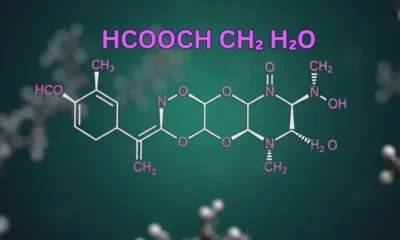

HCOOCH CH₂ H₂O: Structure, Properties, and Industrial Applications
The complex compound HCOOCH CH₂ H₂O serves multiple industrial purposes in pharmaceutical applications along with organic synthesis and environmental science....


Princess Kazer: The Legendary Tale of Generosity, Bravery, and Leadership
Princess Kazer’s reputation endures generations because of the way her name sparkles in tradition. Due to her exceptional bravery combined...

Mannacote: Natural Coating for Safe Crop Protection
Food insecurity and plastic pollution are issues the entire world is struggling with, and the urgency of developing safe, sustainable,...


Nexus AlienSync: The AI Nervous System Powering Tomorrow’s Smart Systems
“AI won’t reach its full potential until it can truly communicate across systems. Nexus AlienSync is what makes that possible.”...
-
 BIOGRAPHY12 months ago
Behind the Scenes with Sandra Orlow: An Exclusive Interview
-
HOME1 year ago
Discovering Insights: A Deep Dive into the //vital-mag.net blog
-
HOME2 years ago
Sifangds in Action: Real-Life Applications and Success Stories
-
BIOGRAPHY2 years ago
The Woman Behind the Comedian: Meet Andrew Santino Wife